

Spring is one of the most magical times of year in the Eastern Sierra: migration season.
The wetlands at Black Lake Preserve become a birding hotspot. The pollinator garden begins to wake up, with fresh blooms that support bees, butterflies, moths, and hummingbirds. And the skies are alive with movement and sound. Birds are making moves. They are singing, building nests, and showing off in brilliant displays of color and sound.
In the Eastern Sierra, migration isn’t just happening in the sky. Herds of mule deer traverse ancient corridors between their winter and summer ranges. These journeys, timed with snowmelt and the emergence of fresh vegetation, are critical for their survival. Like migratory birds, mule deer rely on intact, connected landscapes and protected places along the way to complete these seasonal movements.
Every corridor, wetland, and patch of ESLT-protected land has a purpose in the story of wildlife conservation, cleaner water, and biodiversity.
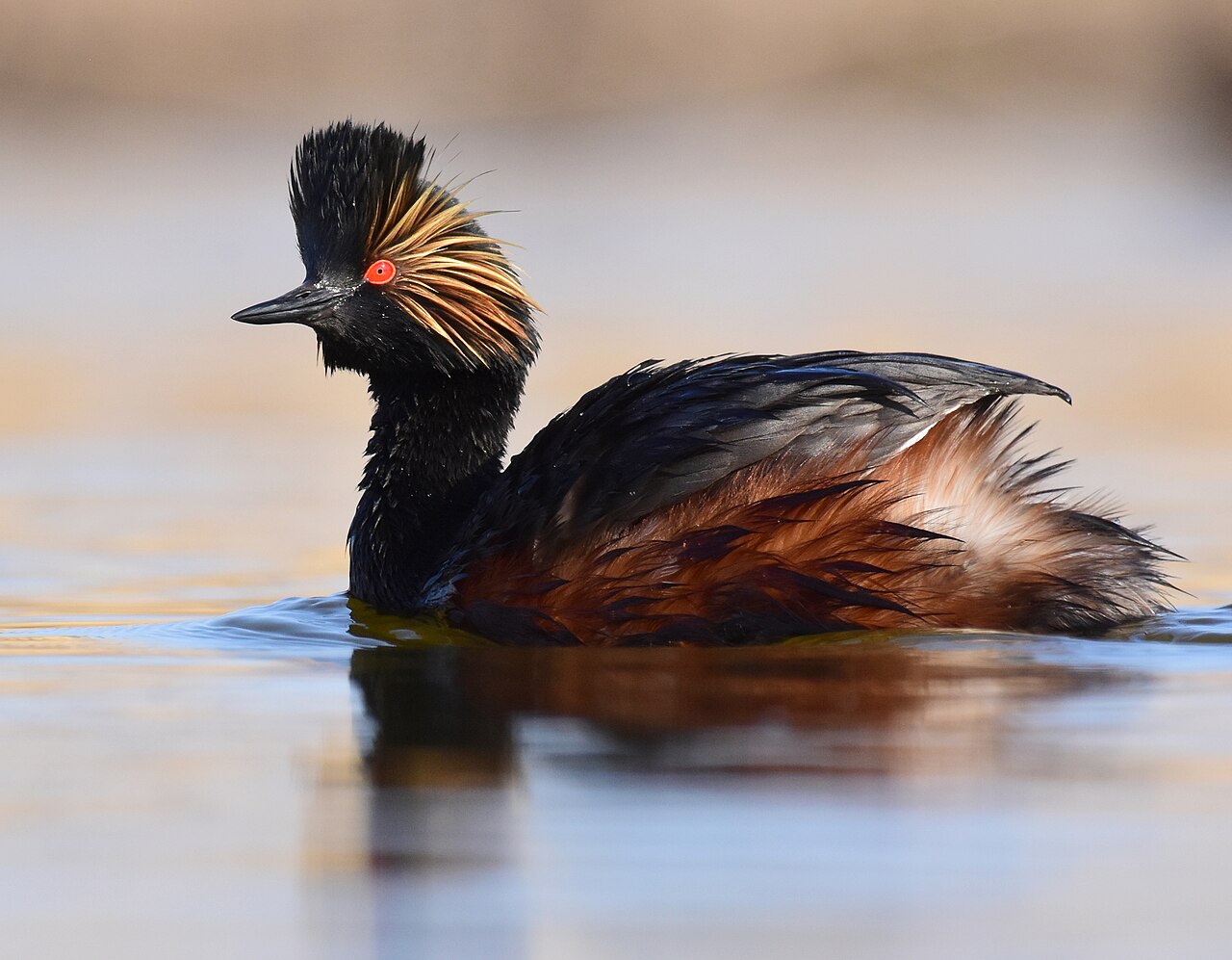
Main photo: Eared Grebe courtesy of Wikimedia Commons.
At Black Lake Preserve, migration is on full display
Across the globe, countless species from insects and birds to mammals scuttle, fly, and walk across landscapes in response to seasonal changes. These species are often driven by the search for food and suitable habitat. People migrate, too, moving across lands and seas.
At Black Lake Preserve in Adobe Valley, California, migration is on full display. Since 2014, this saline lake has been protected by the Eastern Sierra Land Trust. With its rare wetlands, this unique landscape becomes a critical stopover for a wide variety of migratory birds. Here, winged travelers pause to rest and refuel before continuing journeys that may span thousands of miles.
Black Lake also serves as a breeding habitat for a variety of birds. Many bird species that winter along the coasts of Southern California, or travel even farther from Central and South America, return to places like Adobe Valley to nest and raise their young each year.
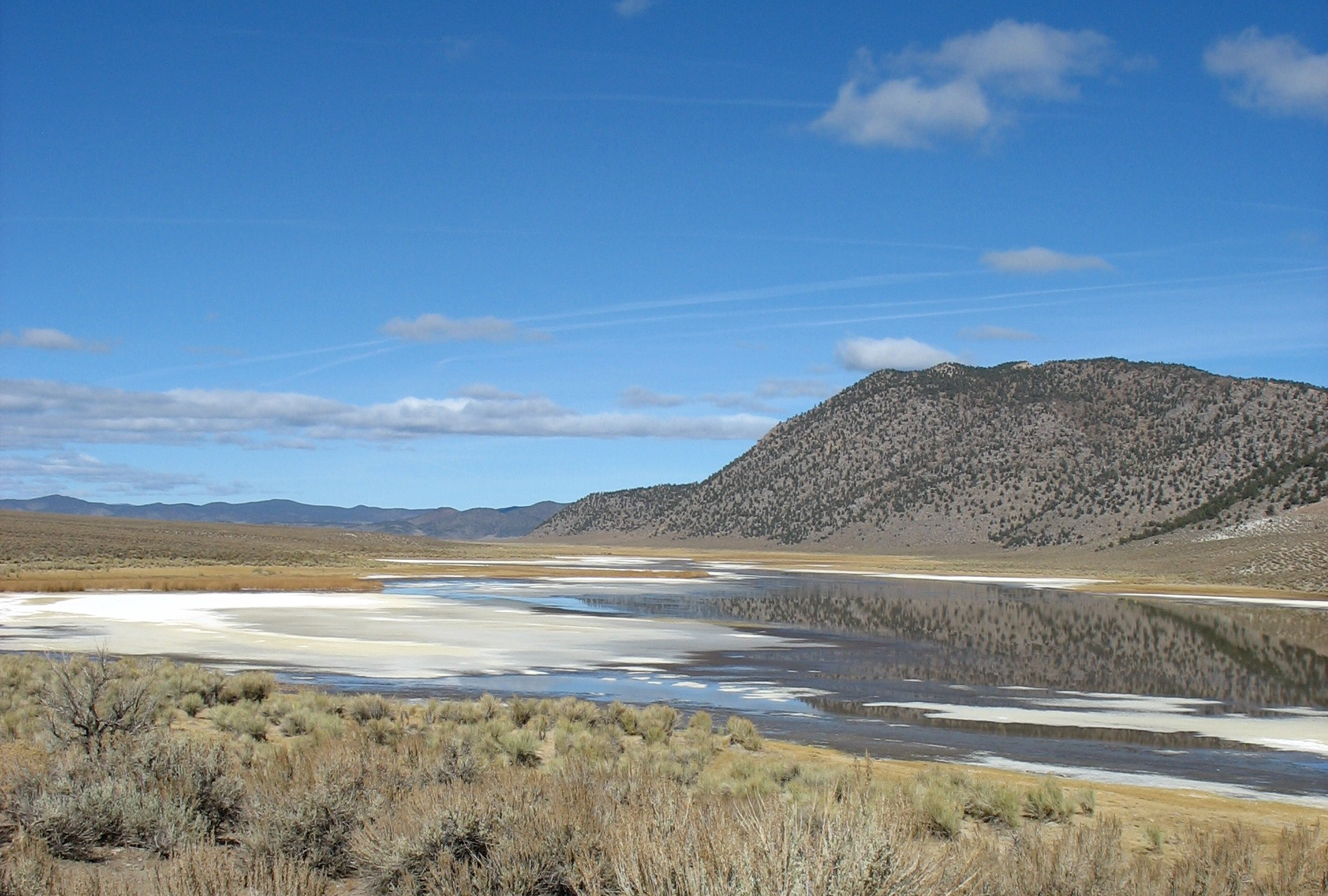
Black Lake Preserve
Birds you may see at Black Lake Preserve in spring or summer
If you visit Black Lake this spring or summer, keep an eye out for species like the Wilson’s Phalarope, a remarkable traveler that journeys all the way from Argentina. Phalaropes are small birds that spin around in the water, making them a distinct shorebird. A common spring and summer shorebird at Black Lake is the American Avocet, a beautiful bird who can be seen sweeping their upturned bill through the shallow water to find food. Another striking visitor is the Yellow-headed Blackbird, who can be seen and heard calling from the grasses.
Each of these birds carries with it a story of distance, timing, and survival.
“I just love how every visit to Black Lake in the spring, there is some suspense of what unexpected avian visitor you might see,” says Gena Wood, Community Connections Program Director. “You have to be open to the idea that you could have a wonderful surprise each time you go.”
While long-distance travel is remarkable on its own, what is perhaps even more astonishing are the physical transformations some birds undergo to make these journeys possible. Take the Eared Grebe, for example.
Photo: A Wilson’s Phalarope runs after alkali flies on the shores of Black Lake Preserve. Photo credit to a 2025 Mono Basin Bird Chautauqua participant.
This small, striking waterbird undergoes one of the most extreme physiological changes of any bird in North America. For much of the year, nearly ten months, the Eared Grebe is effectively flightless. During this time, it invests heavily in its feathers and body, increasing its mass and reducing the size of its flight muscles. It lives primarily on saline lakes like Mono Lake and the Great Salt Lake, but can be found at Black Lake, feasting on abundant brine shrimp and other invertebrates.
But when it’s time to migrate, everything changes.
The Eared Grebe rapidly sheds body mass, shrinking its digestive organs while rebuilding powerful flight muscles. In a matter of days, it transforms from a buoyant, heavy-bodied swimmer into a bird capable of sustained flight. Then, almost overnight, it takes to the skies, traveling hundreds of miles to its wintering grounds.
This incredible transformation underscores the importance of saline lakes throughout the Great Basin.
Saline water bodies like Black Lake, Mono Lake, and Owens Lake are ecological lifelines
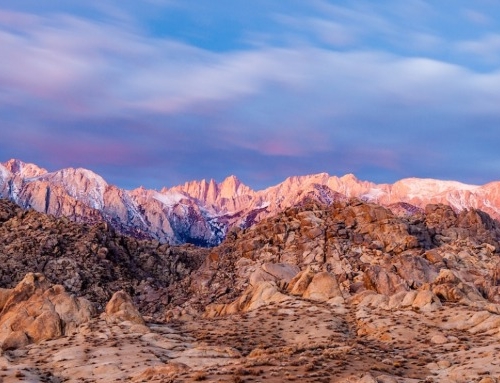
Black Lake, Mono Lake, and Owens Lake have a scenic beauty that draws people from all over the world. These saline water bodies are also ecological lifelines for migratory species, who depend on them for survival.
The high salinity in these bodies of water supports dense populations of brine shrimp, alkali flies, and other invertebrates, creating a rich food source for migratory birds. For species like the Eared Grebe, these lakes are essential fueling stations, places where they can build the energy reserves needed for their bird transformations and long journeys.
Without these habitats, many migratory birds would struggle to survive
When you see birds this spring, take a moment to wonder: what did this bird go through to get here? How many miles did it travel, and how many challenges did it overcome along the way? And what would happen if these critical wetlands were no longer here to receive them?
Migration is not just about movement; it is about connection. Landscapes like Adobe Valley are linked to ecosystems hundreds or even thousands of miles away through the journeys of these birds, and the pathways of animals like Mule Deer moving across the land.
Get on the land and celebrate migratory birds!
Each spring and summer, we invite you to join us in celebrating migratory birds and the habitats that support them. This spring, experience this incredible movement firsthand at our Adobe Valley Wetlands Tour on April 25, or celebrate World Migratory Bird Day at Black Lake Preserve on May 9.
Next time you hear birdsong overhead or see a flock passing by, take a moment to appreciate the journey behind it. These travelers are part of a vast, ancient rhythm, one that continues to unfold right here in the Eastern Sierra.
Article by Gena Wood, Community Connections Program Director at Eastern Sierra Land Trust.

Leave A Comment