
Earth Day Youth Art Contest Winners/Showing

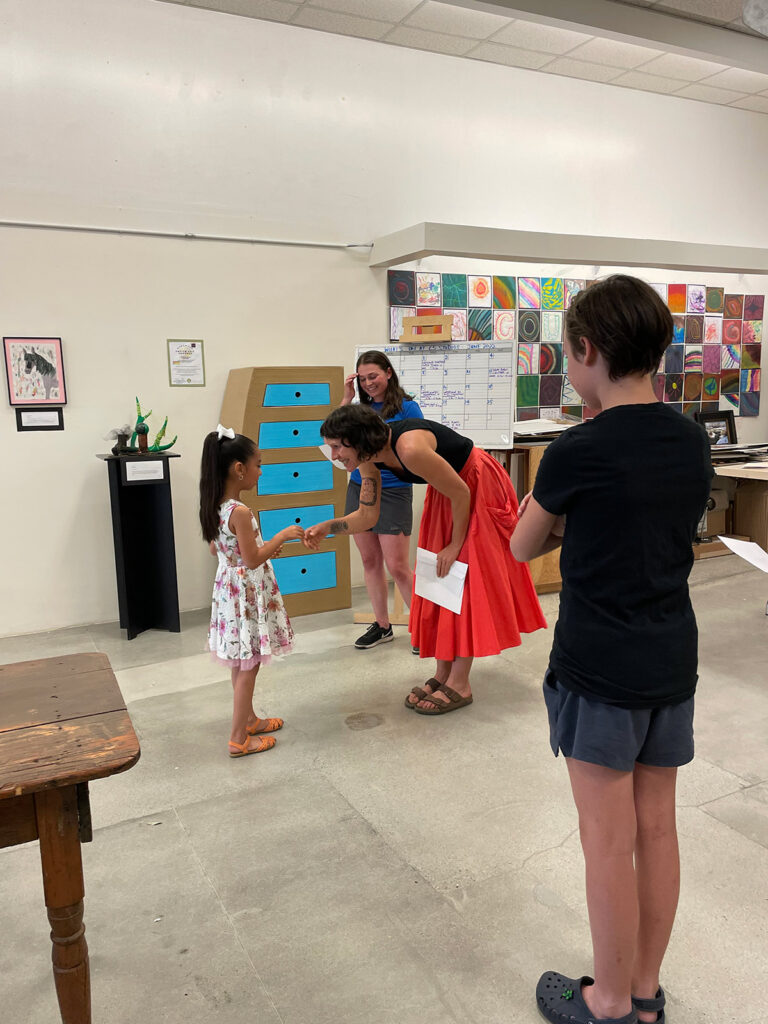
During April and May, kids from across the Eastern Sierra submitted art to ESLT’s Earth Day Youth Art Contest. The art and accompanying descriptions that we received were beautiful and moving. The submissions were also overwhelmingly hopeful.  The prompt had three choices that read: 1) If you were an animal or plant, what would you be? 2) How does nature make you feel? 3) What is your favorite place in nature? …continue reading
2022-10-03T16:11:27-07:00July 14th, 2022|Blog, SNAP|
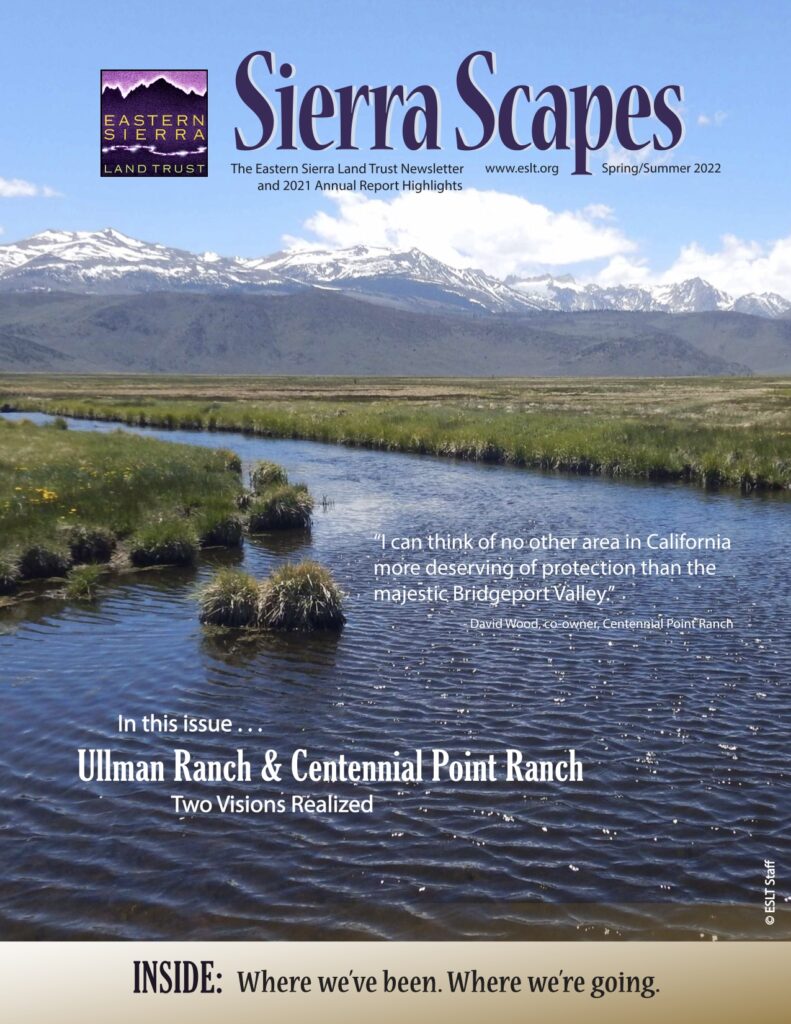
Cover page to the 2022 Spring/Summer edition of SierraScapes.

Our Spring/Summer SierraScapes Newsletter Is Here!

Our Spring/Summer SierraScapes Newsletter has arrived! An online edition, packed with conservation updates and stories, can be read here. Inside, you'll find a celebration of the conservation easements at Centennial Point Ranch and Ullman Ranch, stories highlighting ESLT's role in conservation efforts such as the Mammoth Lakes 395 Wildlife Crossing and 30 by 30 Initiative, and much much more. Note that the original printed version contained a mistake on page two that …continue reading

2022-07-13T15:16:24-07:00July 13th, 2022|Blog, What's New|

Pollinator Week 2022: How You Can Help Pollinators

Happy National Pollinator Week! We hope you learned some surprising facts and fun tidbits about pollinators. The last blog post for National Pollinator Week is about how we can all help the pollinators that are so important for healthy ecosystems and for food production. In addition to the list below, please visit Pollinator Partnership for a comprehensive guide. Plants to Help Pollinators Some of the species discussed over the past week are …continue reading

2022-06-27T14:11:27-07:00June 26th, 2022|Blog, SNAP|

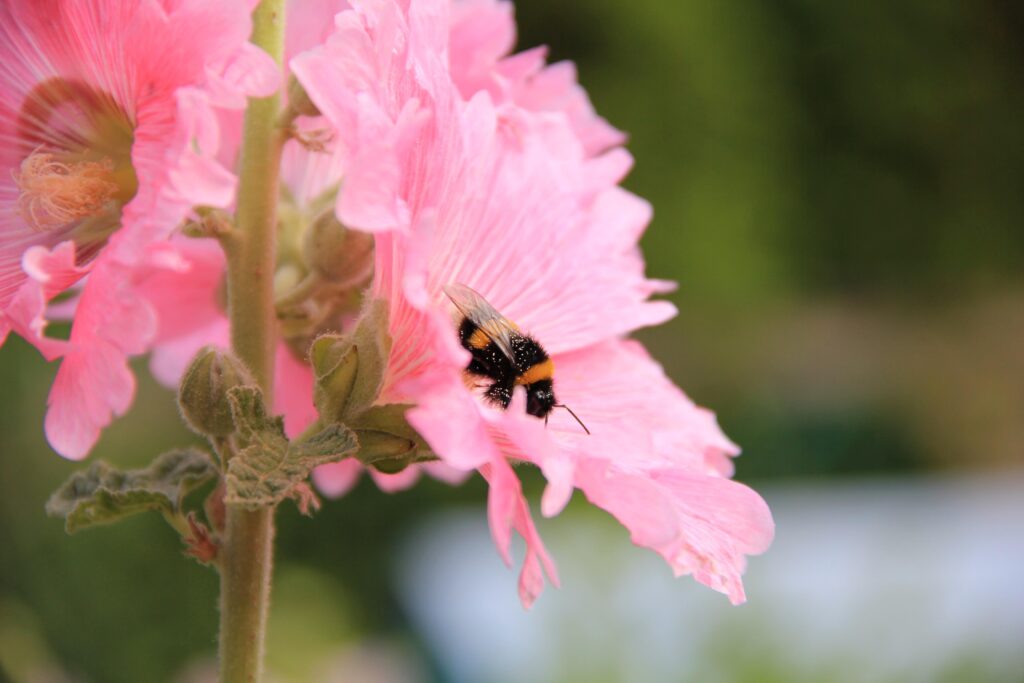
Pollinator Week 2022: Bumblebees

Bumblebees as Pollinators Bumblebees need no introduction. These cute, fuzzy bees are native to North America and are important pollinators for native plants and crops. There are 49 species in North America and all are part of the genus Bombus. Unlike the miner bees from Tuesday’s blog post, bumblebees are social. A queen finds a nest after winter, often underground, and produces a few generations of worker bees over the summer. The …continue reading

2022-06-25T19:00:19-07:00June 25th, 2022|Blog, SNAP|

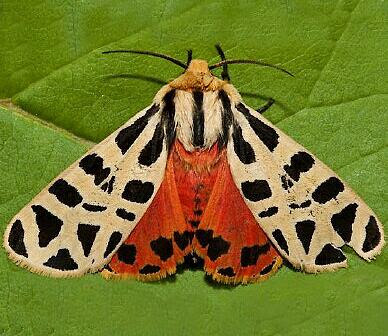
Pollinator Week 2022: Moths

©Harvey Schmidt Moths as Pollinators Typically, people love butterflies and dislike the spooky moths that gather around our lights at night. Butterflies and moths are actually part of the same family, Lepidoptera, and moths outnumber butterflies 10 to 1. There are some behavioral and physical differences between the two, like the feathered antennae on moths compared to the club-like antennae found on butterflies. A common misconception is that all moths …continue reading

2022-06-23T18:55:32-07:00June 24th, 2022|Blog, SNAP|

Pollinator Week 2022: Bats

Bats as Pollinators Bats are important pollinators in desert and tropical climates. Although many species eat insects, there are several bats in the desert southwest that drink nectar including the lesser long-nosed bat and the Mexican long-tongued bat. During the summer, the lesser long-nosed bat (Leptonycteris curasoae yerbabuena) follows blooming flowers into New Mexico and Arizona, while the Mexican long-tongued bat (Choeronycteris mexicana) can be found in New Mexico, Texas, Arizona, and …continue reading

2022-06-23T17:49:57-07:00June 23rd, 2022|Blog, SNAP|

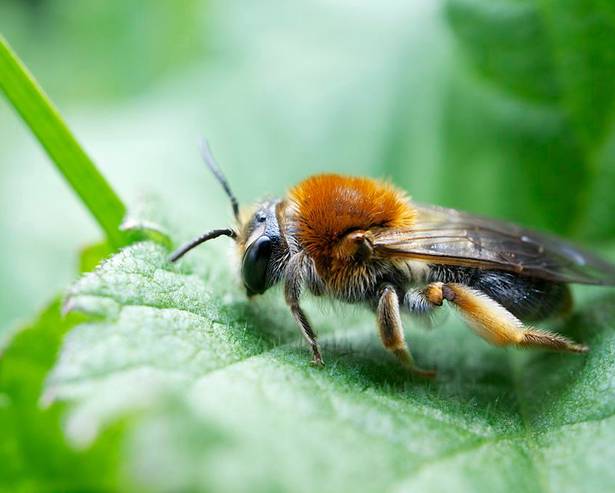
Pollinator Week 2022: Miner Bees

We’re starting off National Pollinator Week with one of our fuzzy friends, the miner bee, also known as a chimney bee. Miner bees include many species that are part of the family Andrenidae and they are often mistaken for bumble bees. These small-to-medium-sized, fuzzy bees are widespread and–good news– typically do not sting humans. Miner bees are often solitary bees, meaning they don’t belong to a hive, and they like to nest …continue reading

2022-06-22T17:03:49-07:00June 22nd, 2022|Blog, SNAP|

Pollinator Week 2022: What is a Pollinator?

Happy National Pollinator Week! This annual celebration is run by Pollinator Partnership and promotes pollinator health. To celebrate and spread awareness of pollinators, we will publish blog posts on our website every day this week that cover different pollinators. What is a Pollinator? Let’s start simple on the first day of National Pollinator Week. What exactly is a pollinator? To learn about pollinators we first need to talk about pollination. Pollination happens …continue reading

2022-06-21T16:34:34-07:00June 21st, 2022|Pollinator Gardens, Blog, SNAP|
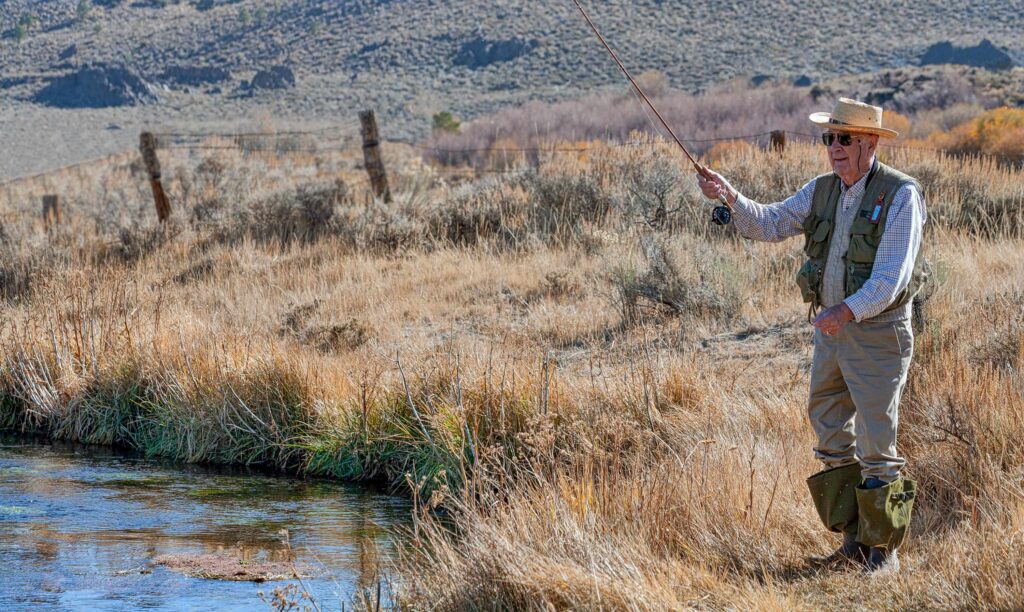
A fisherman casts into Hot Creek in the Eastern Sierra

It Takes More than Stocking for World-Class Eastern...

This story was first published by Western Outdoor News in their Eastern Sierra Preview 2022. Bishop, CA The much-anticipated Eastern Sierra trout season opener is almost here! Before you grab those rods and reels and head out to your secret fishing holes, cast an eye on what is happening on the land and water effecting your favorite world-class fisheries. More Than Planting Fish Keeping streams full of fish takes more than just …continue reading

2026-02-07T11:45:28-08:00April 18th, 2022|Blog|
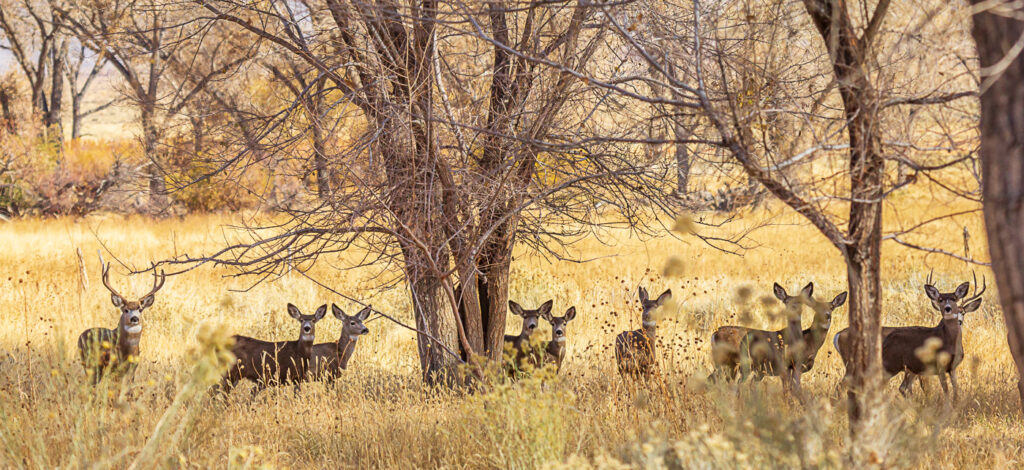
Picture of Round Valley mule deer

Protecting the Hub of the Mule Deer Herd’s...

Mule Deer populations in the Eastern Sierra have declined in recent decades. Work is being done to permanently protect the critical winter range of this iconic species. With spring soon approaching, mule deer will follow their instinct and migrate to the upper summer ranges. Wildlife biologists’ research has documented that migration patterns are learned behavior; a doe teaches her fawns, and that leads them to the places they can find food and …continue reading

2022-03-16T16:01:25-07:00March 14th, 2022|Blog|
Eastern Sierra Land Trust